
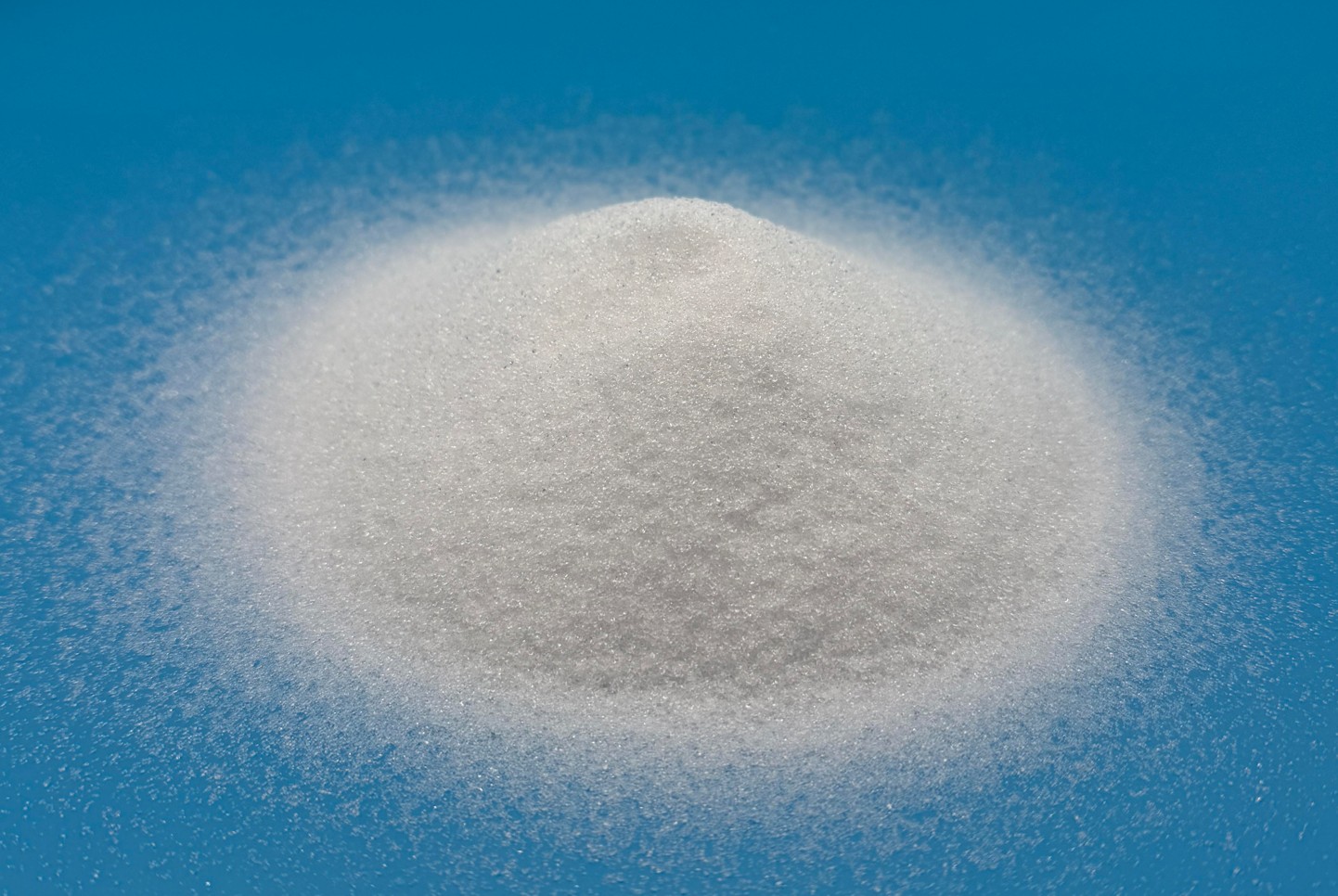
How to Choose a Fused Silica Supplier
Compare fused silica suppliers on your current specification, the lot COA, packing and destination, then a confirmed 100-500 kg trial before a larger switch.
BLOG
Practical notes for buyers of fused silica sand and powder: grades, particle size, COA and packing.
Compare fused silica suppliers on your current specification, the lot COA, packing and destination, then a confirmed 100-500 kg trial before a larger switch.
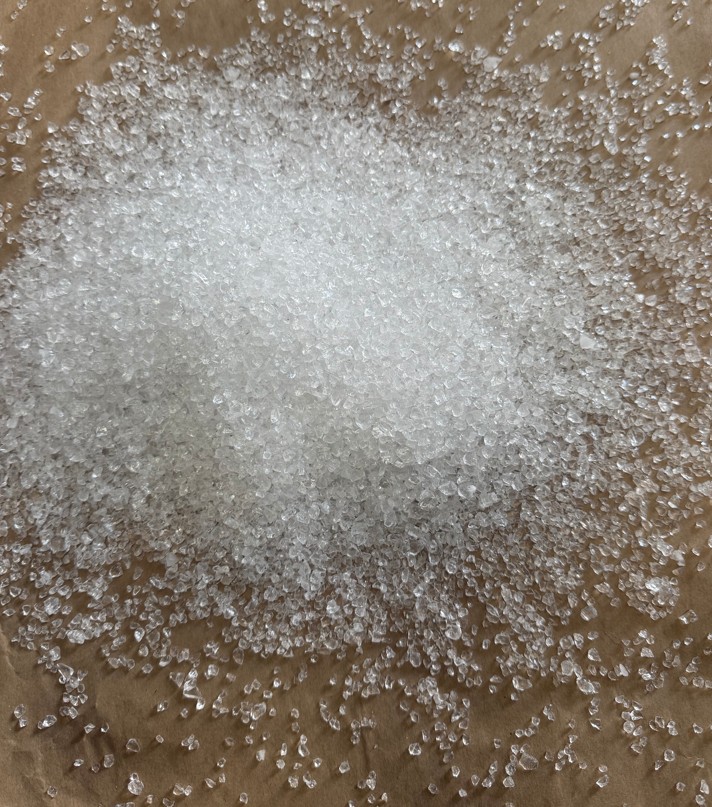
Small fused silica sand orders still need grade, mesh, packing and destination. A 100-500 kg trial is subject to confirmation, and freight per kg is often higher.
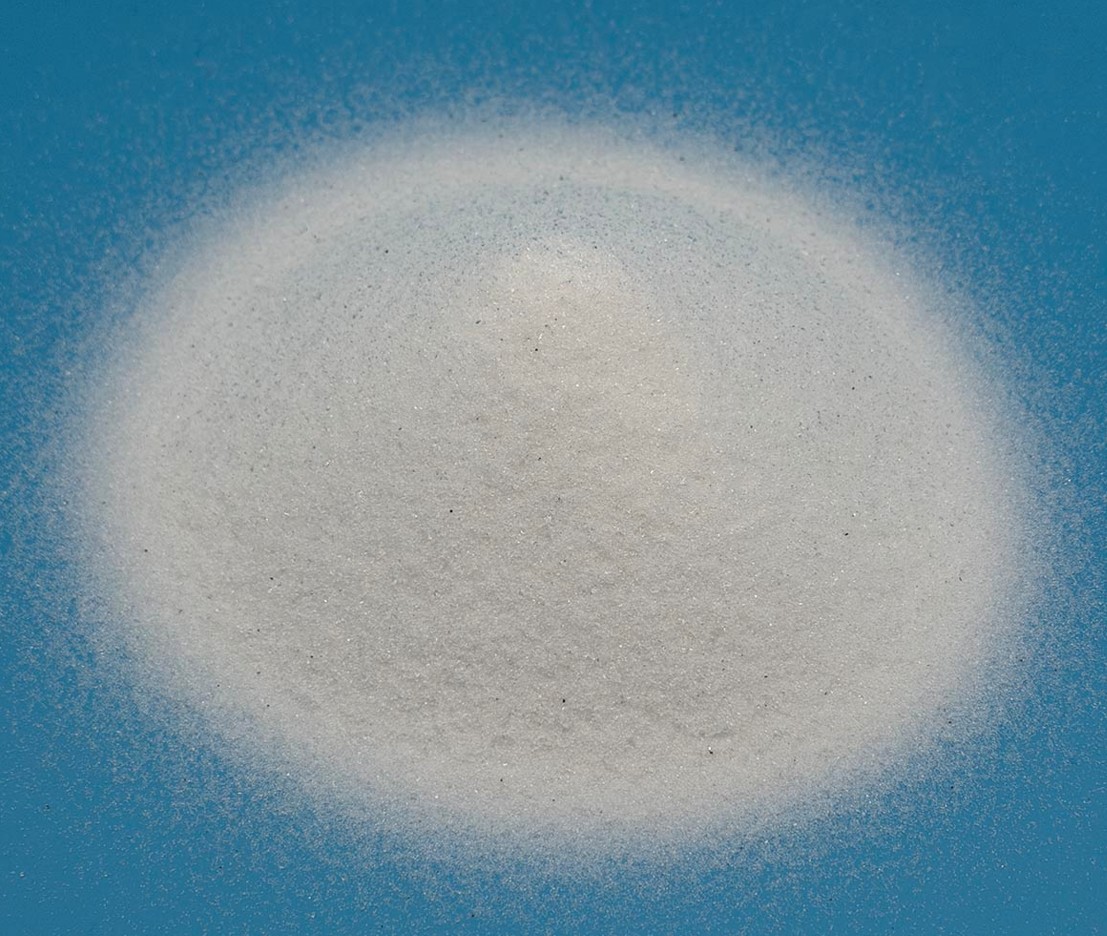
A Grade is the tighter typical chemistry and B Grade has wider limits. Match the grade to your own acceptance limits and confirm the lot on the COA.
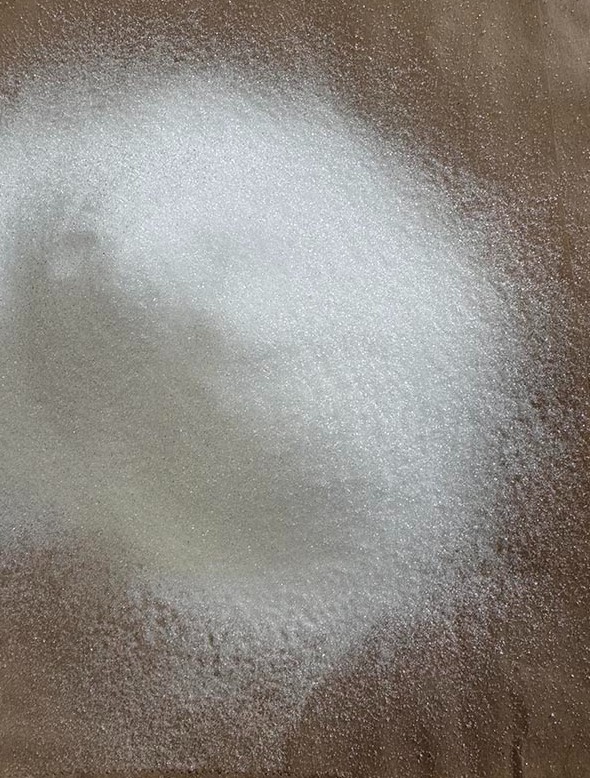
Check that a fused silica COA names grade, form and lot, then compare SiO2 and your impurity limits. A typical datasheet is not the lot result.
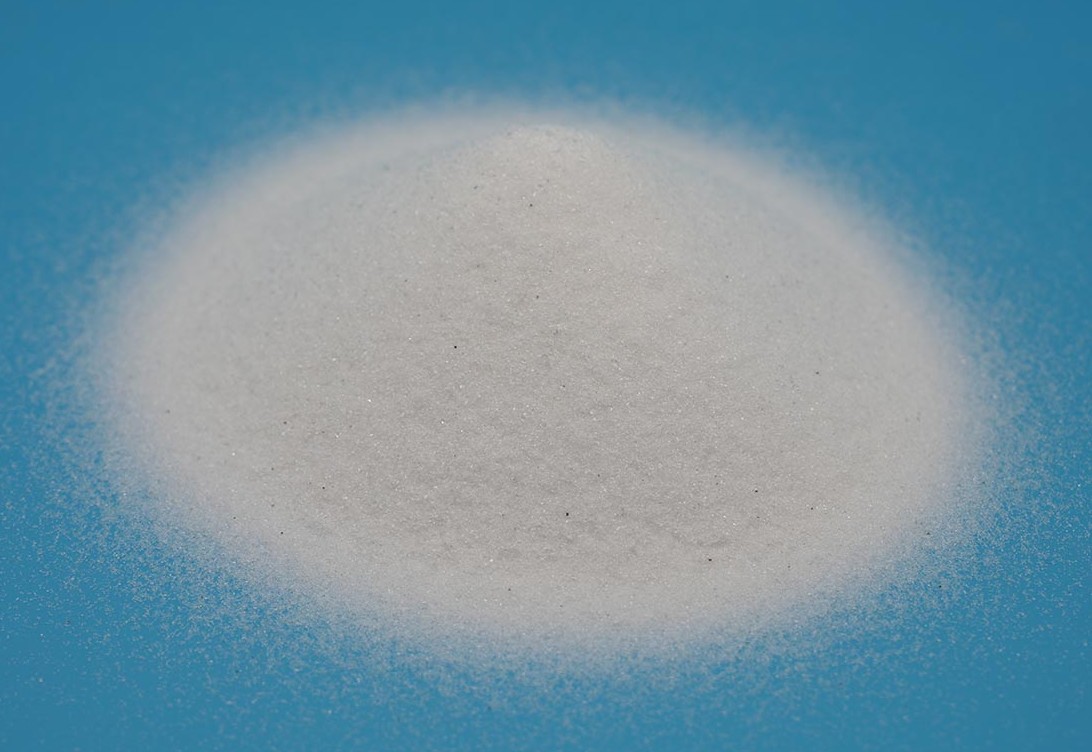
Fused silica cost depends on grade, particle size, quantity, packing, Incoterm and destination. Compare the landed cost of the lot, including a 100-500 kg trial.
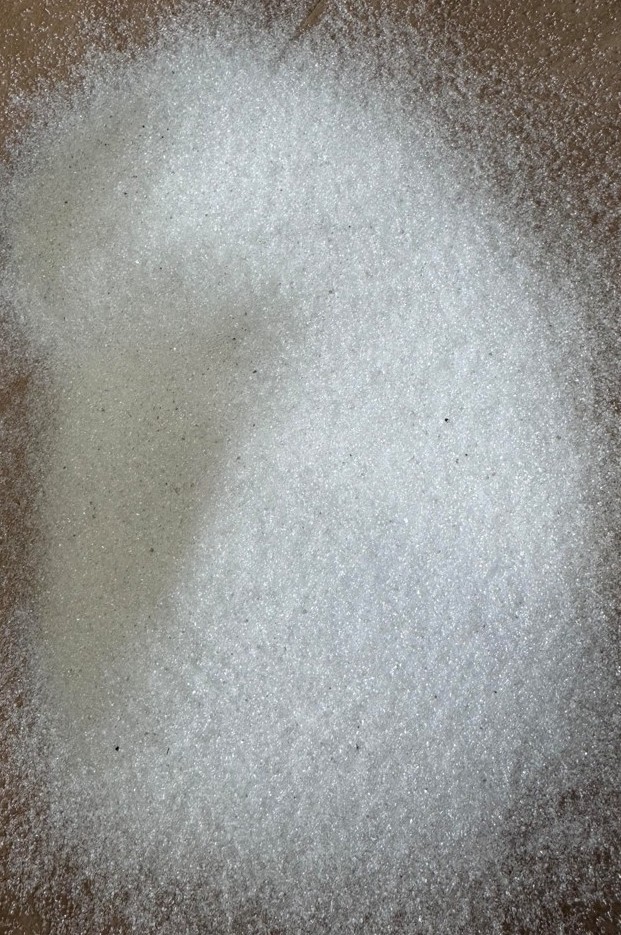
A fused silica trial follows set steps: agree the specification and COA, place 100-500 kg if confirmed, record observations, then decide on a repeat.
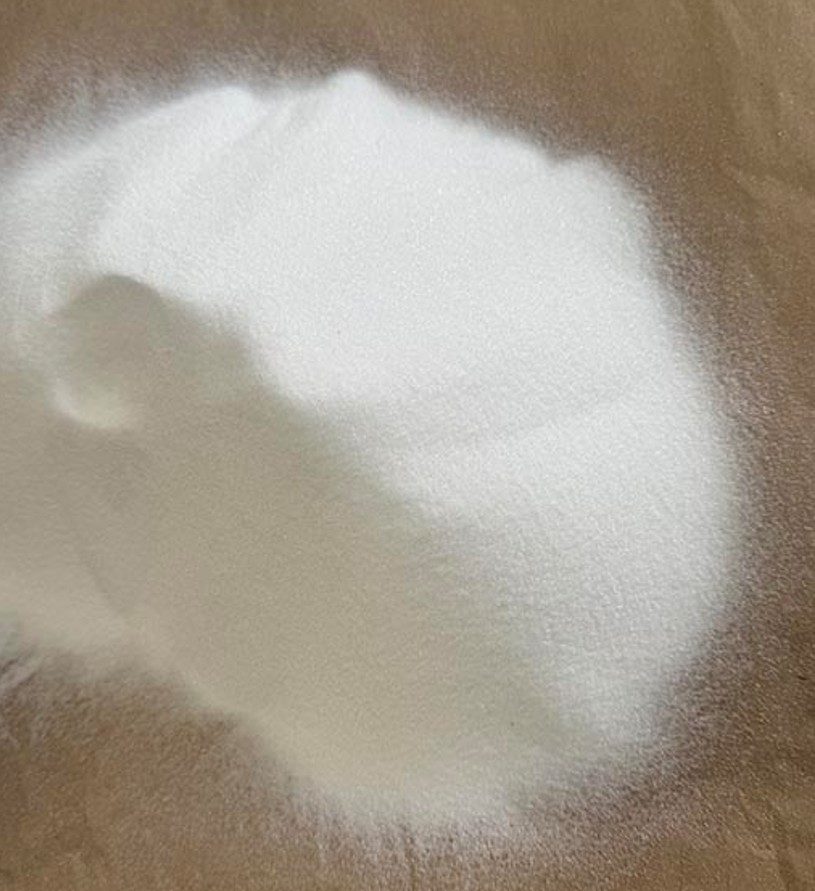
Send a short fused silica RFQ with form, A or B grade, mesh or mm, chemistry limits, quantity, packing, destination and Incoterm if you already know it.
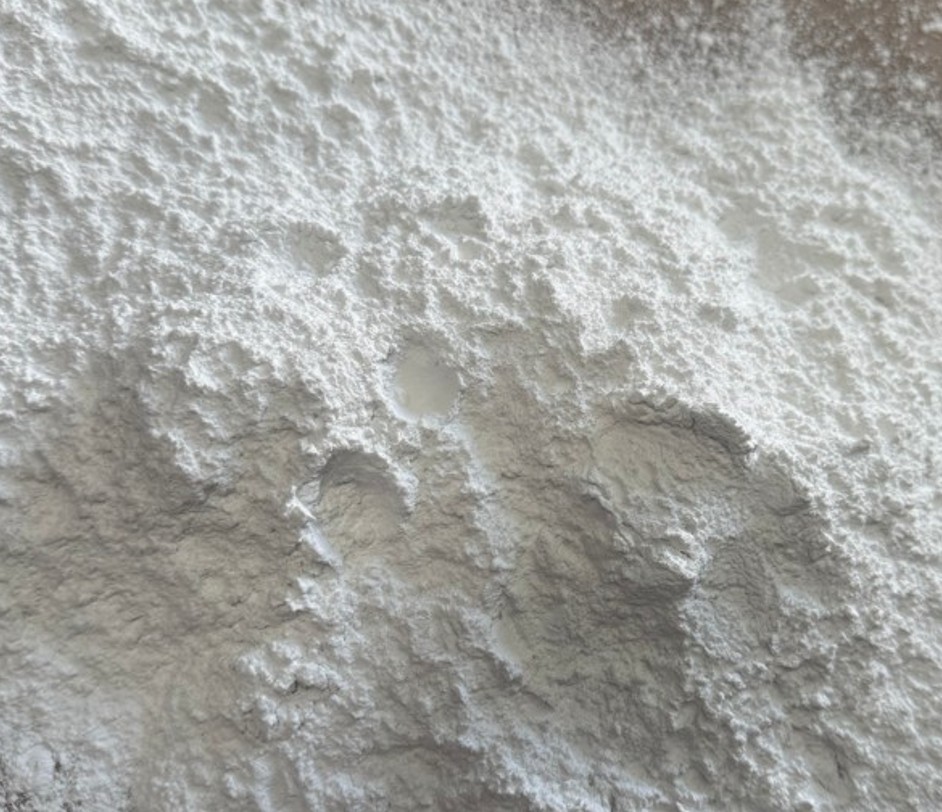
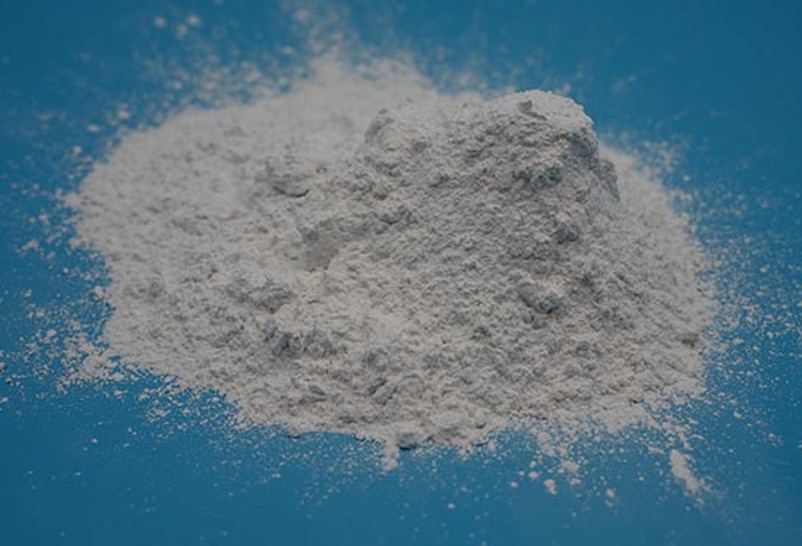
Fused silica sand and powder are different forms. Name the mesh or mm range. Typical B Grade powder and grain SiO2 limits differ and are confirmed on the COA.
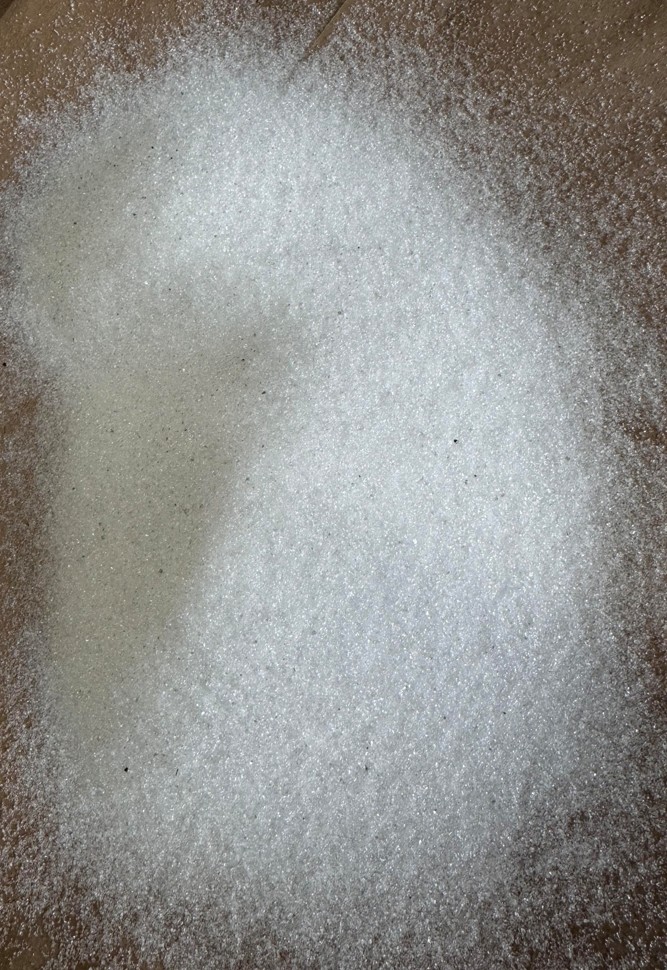
A refractory fused silica RFQ can stay short: application, grade, particle size, quantity, packing and destination. Lot figures are confirmed on the COA.
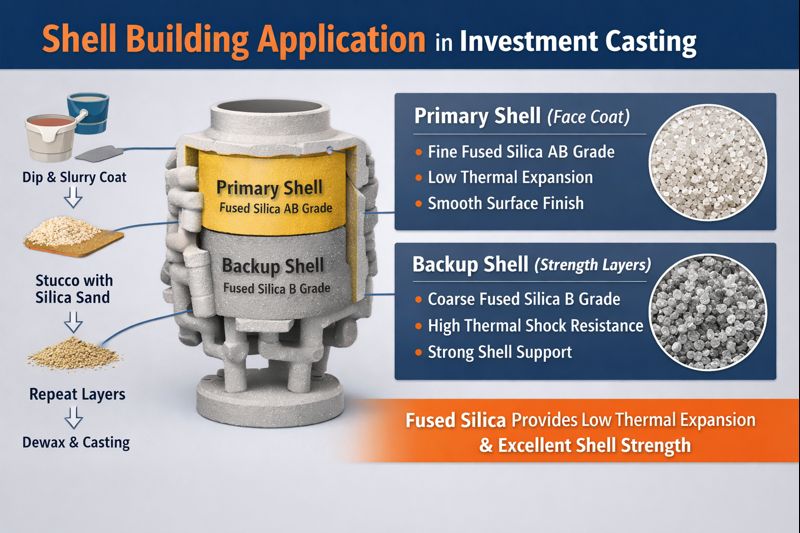
State whether investment-casting fused silica is for slurry, shell flour, sand or another step, plus grade, particle size, quantity and destination.
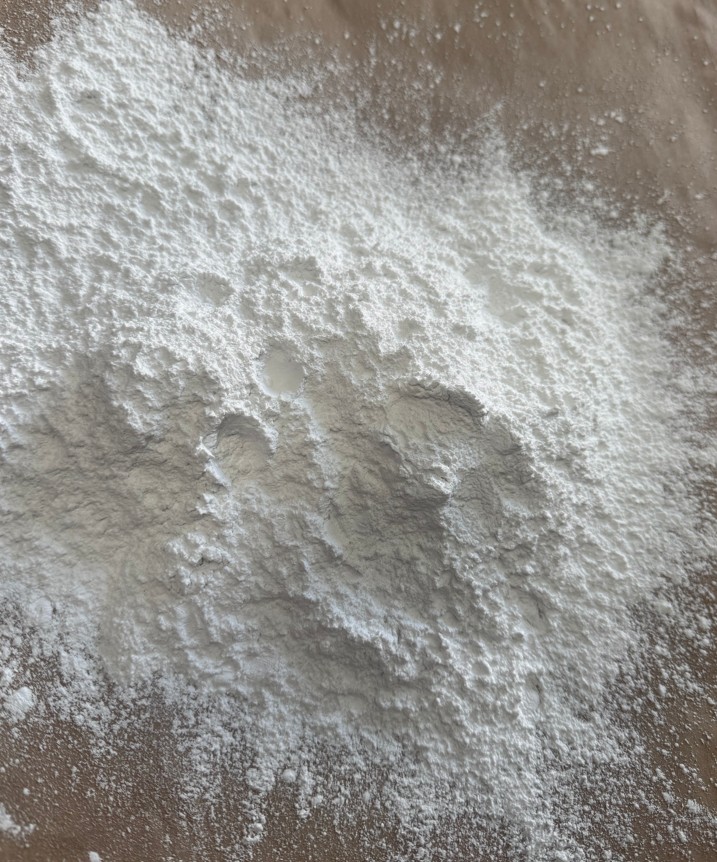
Before you order fused silica, confirm grade, form, SiO2 and impurity limits, and particle size. Compare the lot COA with the specification you agreed.
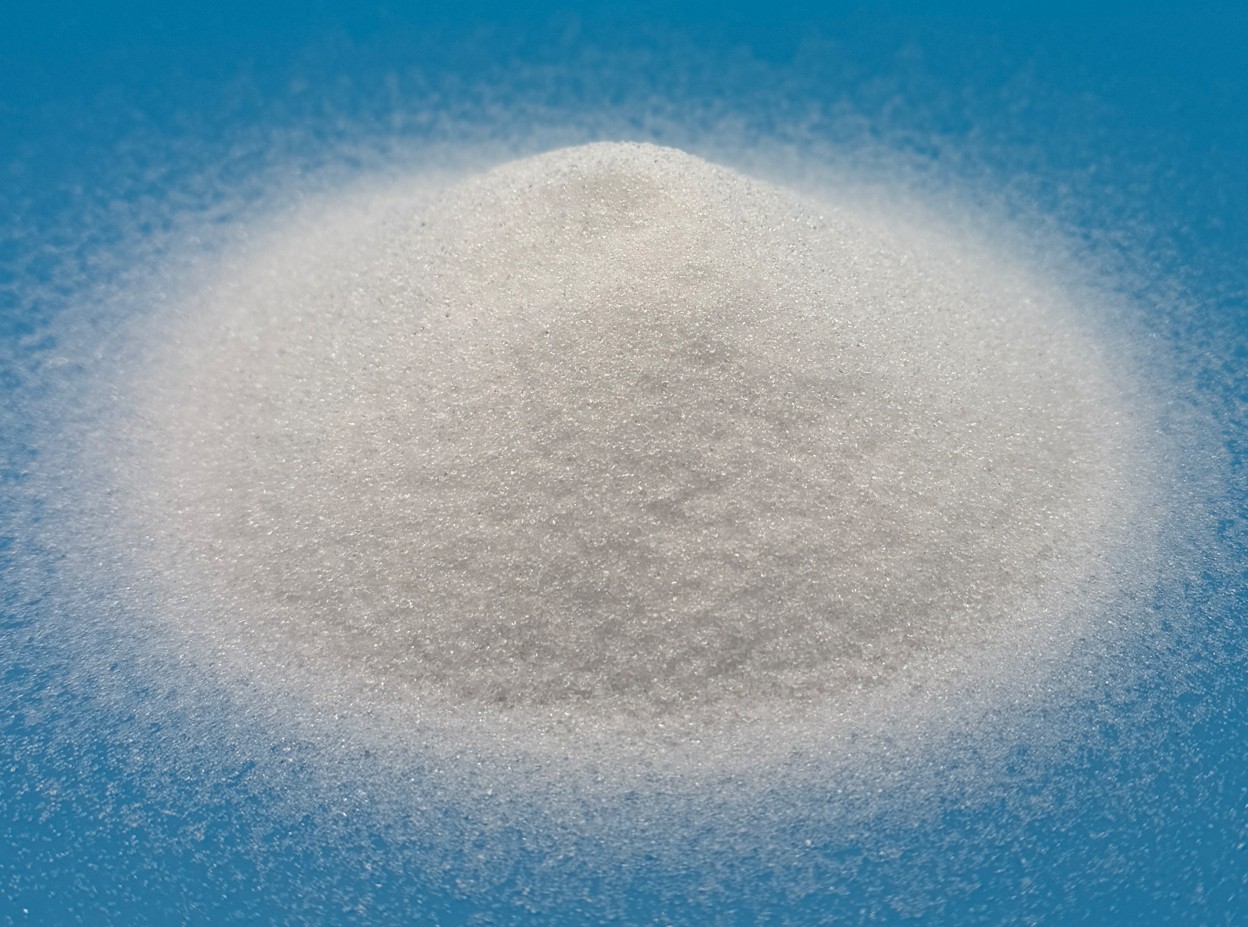
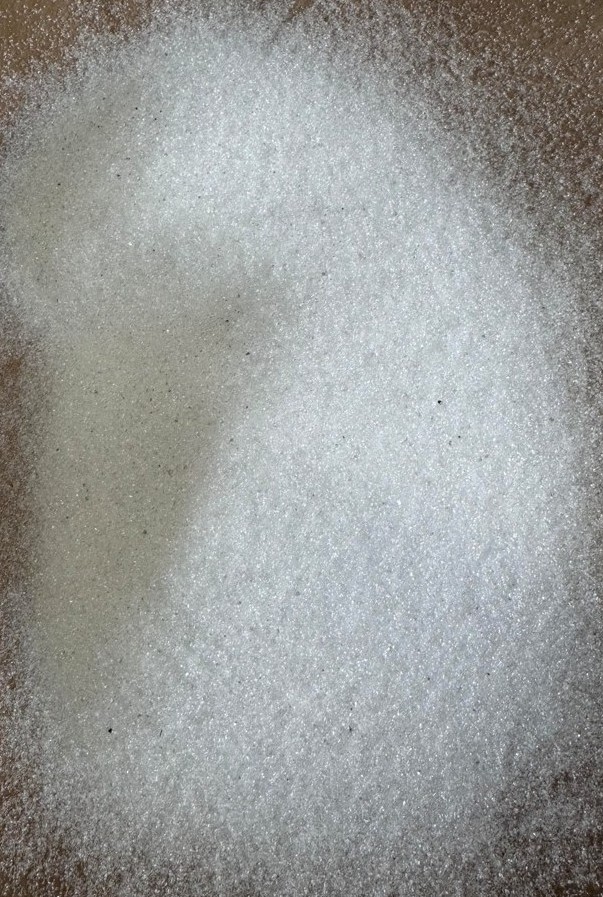
State fused silica size as a millimetre range or a mesh code, not only as sand or powder. Example sizes can be discussed; the quotation confirms the offer.
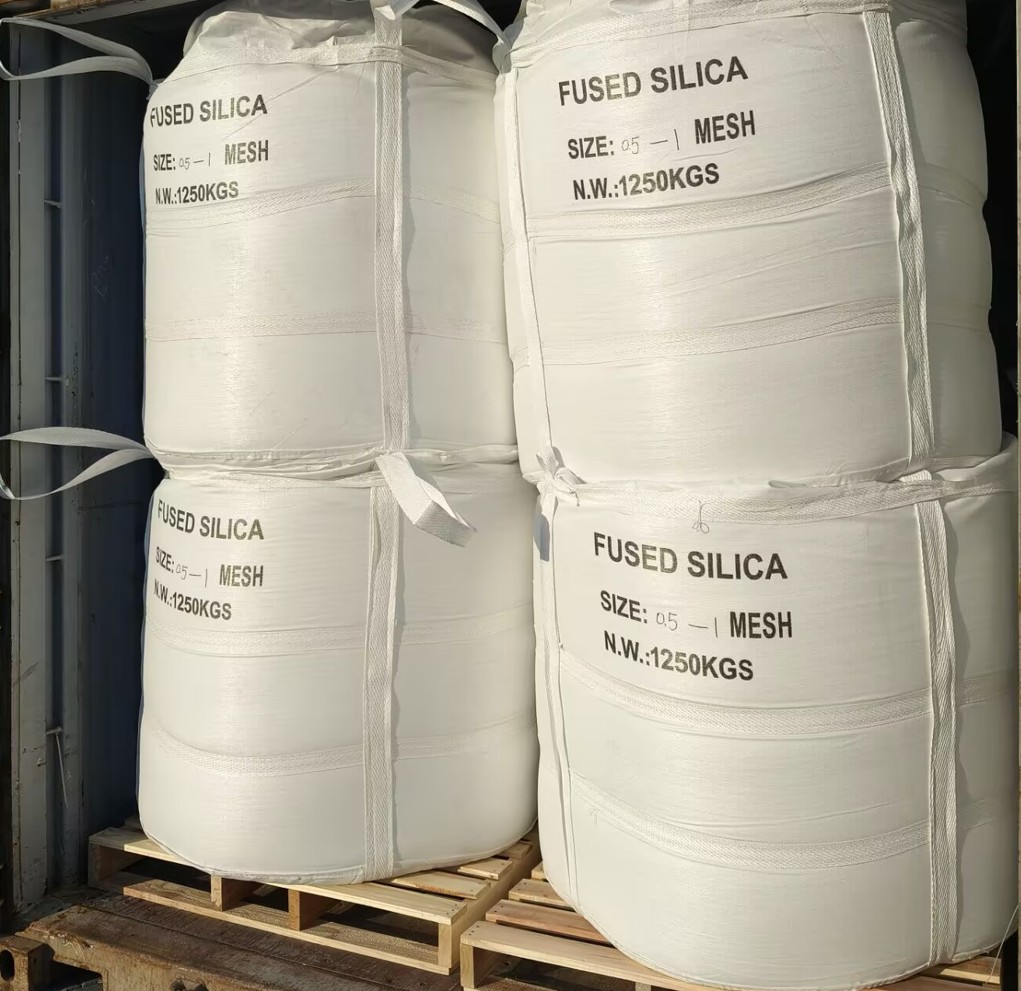
Fused silica may be packed in 25 kg bags or jumbo bags of about 1000 kg or 1250 kg. Packing is confirmed on the order. A 25 kg quote is a separate offer.
For fused silica sent to Europe, the United States or Brazil, confirm the destination, Incoterm, documents and local import conditions with your own forwarder.
Before you approve a fused silica supplier, ask the grade, form, lot COA, particle size, packing, a possible trial, and how a deviation would be handled.
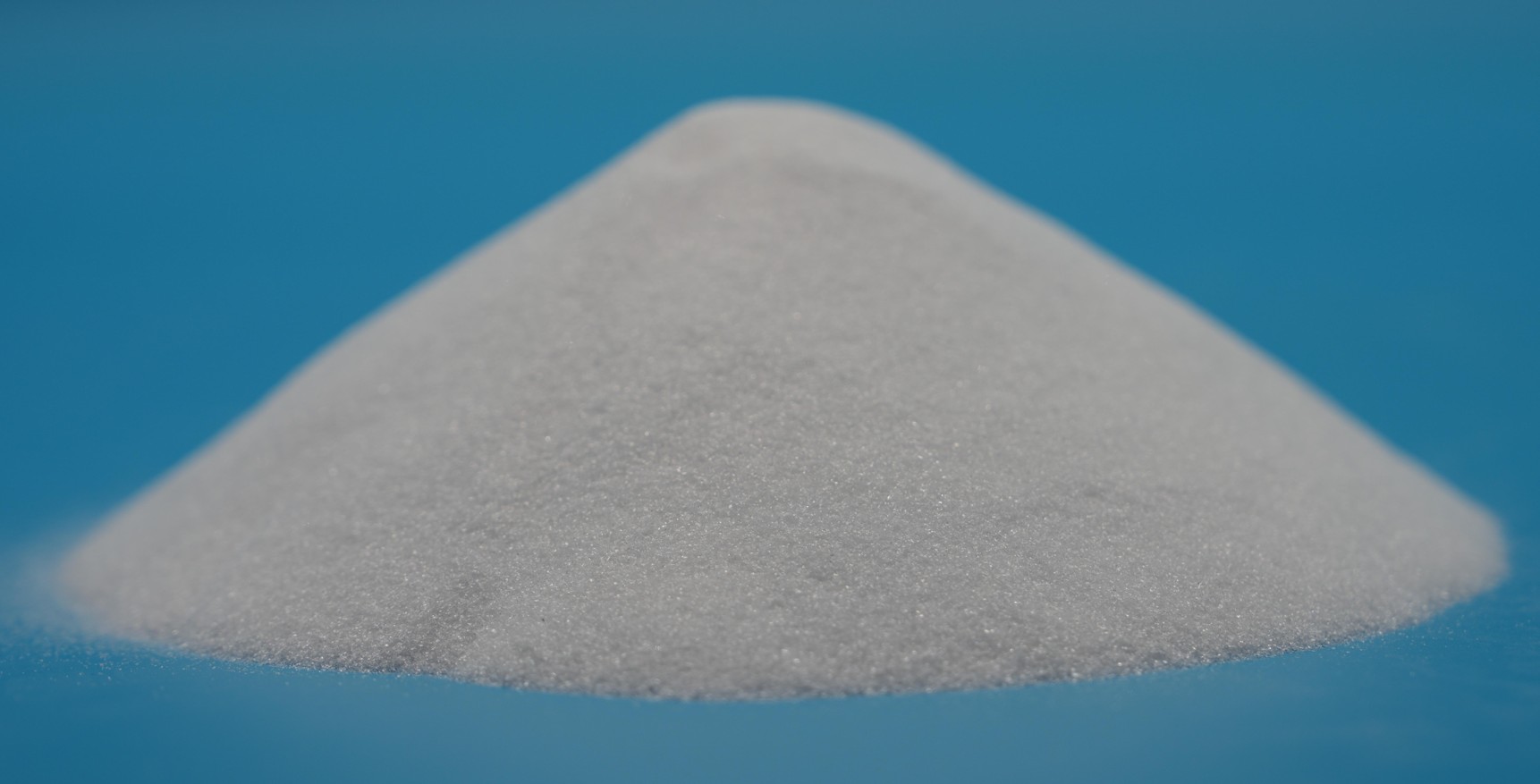
Typical A Grade fused silica is SiO2 99.9% min. Typical B Grade is 99.8% min for grains and 99.7% min for powder. Confirm each figure on the lot COA.
Specify A Grade fused silica when your limits need the higher typical SiO2 minimum and tighter typical impurities. Compare the COA and, if useful, a trial.
B Grade fused silica is a defined grade, not a leftover. Grains are typically SiO2 99.8% min and powder 99.7% min. It fits when your specification and the COA agree.
Buyers often name fused silica sand as 4×10, 10×20, 20×50 or 50×100 mesh, or as flour such as 100F, 140F, 200F and 325F. The quotation confirms availability.
Tell the fused silica supplier the destination country, the delivery place, the quantity, the packing you prefer, and the Incoterm if you already have one.
Learn how to specify fused silica for refractory applications, including grade selection, chemical composition, particle size and COA.
Discover what investment casting buyers should evaluate when sourcing fused silica, including chemical composition, particle size and process compatibility.
A practical guide for foundries evaluating fused silica based on particle size, chemical requirements, process compatibility and trial testing.
Learn what ceramic manufacturers should check when evaluating fused silica powder, including particle size, chemical composition and formulation compatibility.
Reduce sourcing risk with a structured fused silica supplier qualification process using specifications, COA review, samples and controlled trials.
Learn how to evaluate fused silica samples by checking chemical composition, particle size, handling and suitability for your production process.
Evaluate whether a 100–500 kg fused silica trial order is suitable for your material qualification, production testing and purchasing needs.
Compare fused silica offers for refractory production using chemical specifications, grading, COA, packaging and delivered cost.
Use this fused silica procurement checklist to verify specifications, COA, particle size, packaging, shipping terms and supplier documentation.
Request a fused silica quotation with the right grade, particle size, quantity and destination to receive a more relevant product offer.